

Ottawa Construction News staff writer
The Sault Ste. Marie Chamber of Commerce is warning that northern Ontario communities could face a disproportionate economic impact if the United States proceeds with proposed new tariffs on Canadian imports next month, with construction among the sectors expected to feel the effects.
The White House announced this week that it plans to impose 50 per cent tariffs on billions of dollars’ worth of Canadian imports beginning Aug. 19, citing what it describes as Canadian discrimination against American motor vehicles, dairy and alcohol.
The proposed tariff list includes a range of construction-related products, including cement and plywood, raising concerns that building costs could increase and construction projects on both sides of the border could face additional pressure.
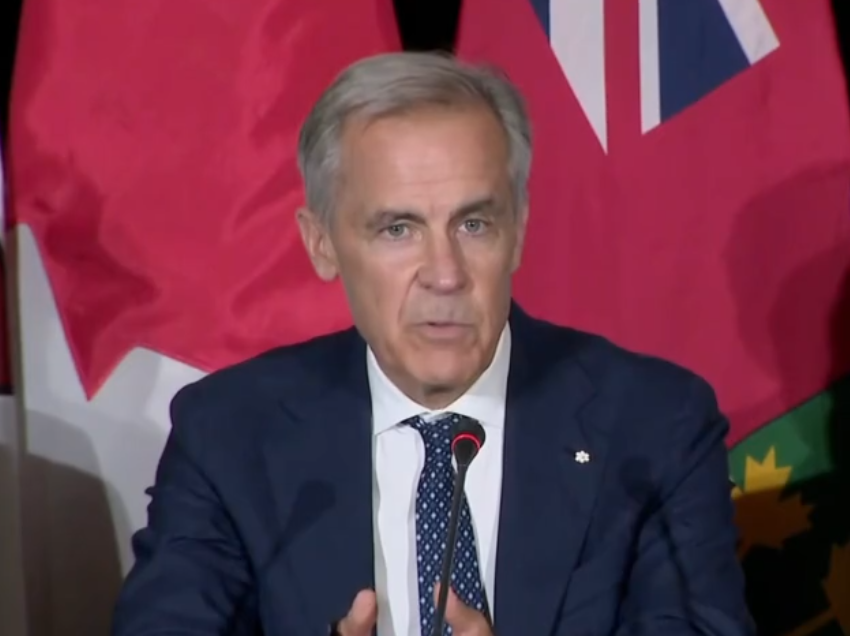
Speaking after meeting with Canada’s premiers in Charlottetown on Thursday, Prime Minister Mark Carney said his government remains focused on reaching a trade agreement before the deadline but is prepared to respond if negotiations fail.
“Everything is on the table depending on the outcome of the negotiations,” Carney told reporters, adding that Canada has “a full range of things that we can do” if the tariffs take effect. He declined to outline potential retaliatory measures, saying it would be counterproductive while negotiations continue.
Carney described the Aug. 19 deadline as both a negotiating opportunity and a pressure tactic by U.S. President Donald Trump, saying recent discussions have reflected the importance of the Canada-U.S. trade relationship.
In Sault Ste. Marie, the local chamber of commerce said the latest tariff threat adds to uncertainty for businesses that depend on integrated North American supply chains and cross-border commerce.
The chamber said the city’s economy has already experienced the effects of previous trade disputes, particularly in manufacturing, steel, forestry, transportation and other export-dependent industries. It warned that another round of tariffs could threaten jobs, discourage investment and weaken the competitiveness of businesses on both sides of the border.
For the construction industry, higher tariffs on products such as cement and plywood could contribute to increased material costs at a time when the sector continues to face affordability and supply chain challenges. Contractors, developers and infrastructure projects that rely on cross-border materials could see costs rise if the measures take effect.
The chamber is calling for a measured response that protects Canadian businesses and workers while continuing efforts to diversify export markets and restore a stable trading relationship with the United States. It said it will continue working with the Ontario Chamber of Commerce, the Canadian Chamber of Commerce and governments at all levels to advocate for policies that protect jobs, strengthen business competitiveness and support long-term economic growth.
Unless a trade agreement is reached before Aug. 19, the proposed tariffs are expected to take effect next month, adding another layer of uncertainty for industries that rely heavily on cross-border trade, including construction.


