Robin MacLennan
Ontario Construction News editor
As 2025 draws to a close, Ontario’s construction industry is winding up a year defined by massive infrastructure milestones, aggressive legislative overhauls, and a persistent battle against U.S. tariffs and economic headwinds. From the towering cranes of the Ontario Line to the legislative halls of Queen’s Park, the sector has navigated a landscape of shifting trade policies and urgent housing mandates.
The most significant shift this year was the government’s move to centralize planning through Bill 17. This act addressed the long-standing grievance of navigating 444 different municipal standards. By harmonizing road-building specifications, the province estimates it will save billions in design and procurement costs over the next decade.
Here are some of the news headlines from 2025:
January
- Waterfront Revitalization: The year kicked off with a major funding injection as federal and provincial governments pledged $975M to accelerate Toronto’s Waterfront East LRT and the ongoing Port Lands development.
February
- Tunnelling Milestones: The Eglinton Crosstown West Extension officially began its eastern tunnel drive; simultaneously, the OGCA gave a high-profile endorsement of the province’s “Building Ontario” strategy.
March
- Tariff Tensions: Economic concerns peaked as the industry issued an “Open Letter to Public Sector Owners,” demanding collaborative solutions to combat the surging costs of steel and aluminum driven by new U.S. trade measures.
April:
- Addressing the Labour shortage: Ontario expanded its Skilled Trades Strategy, deploying over 130 mobile training units specifically designed to reach rural construction hubs.
May
- Legislative Blitz: The introduction of the Protect Ontario by Building Faster and Smarter Act (Bill 17) marked a turning point, aimed at harmonizing municipal road standards and slashing permit wait times.
June
- Pipeline Surge Infrastructure: Ontario’s Market Update hit record engagement levels, revealing $30B in active procurements, including the Garden City Skyway twinning and massive hospital redevelopments.
July
- Power Shifts: Readers closely followed the debate over controversial legislation granting the Provincial Cabinet sweeping powers to fast-track “priority development projects” by bypassing municipal gridlock.
August
- Housing Warning: A stark warning from industry leaders made waves, suggesting that a plunge in GTA housing starts could risk 41,000 jobs, prompting a provincial pivot toward wood-frame construction incentives.
September
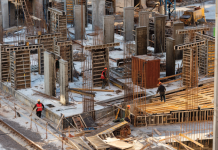
- The Transit Pivot Metrolinx reached a visual milestone with the opening of the first Ontario Line launch shafts, signaling a high-intensity phase for the $10B+ transit project.
October
- Prompt Payment 2.0: Significant amendments to the Construction Act were finalized, introducing mandatory annual holdback releases for multi-year projects—a major win for sub-trade cash flow.
November
- Fiscal Resilience: The Fall Economic Statement outlined a massive $201B 10-year capital plan, prioritizing “Buy Ontario” procurement despite a widening $13.5B provincial deficit.
December
- Record Permits: The City of London closed the year as a standout performer, announcing it surpassed $2.2B in building permits, setting a new benchmark for Ontario’s mid-sized urban hubs.
The industry now prepares for the “Adjudication 2.0” era. With the Construction Act amendments taking effect on January 1, the financial dynamics of the job site will change. Mandatory annual holdback releases will significantly improve cash flow for subcontractors—a victory for the small businesses that form the backbone of Ontario’s economy.
This week, Ontario Construction News looks back at the headlines that shaped our province. Starting today, we will be highlighting the most-read story from each month to showcase the topics that resonated most with our readers throughout this transformative year.